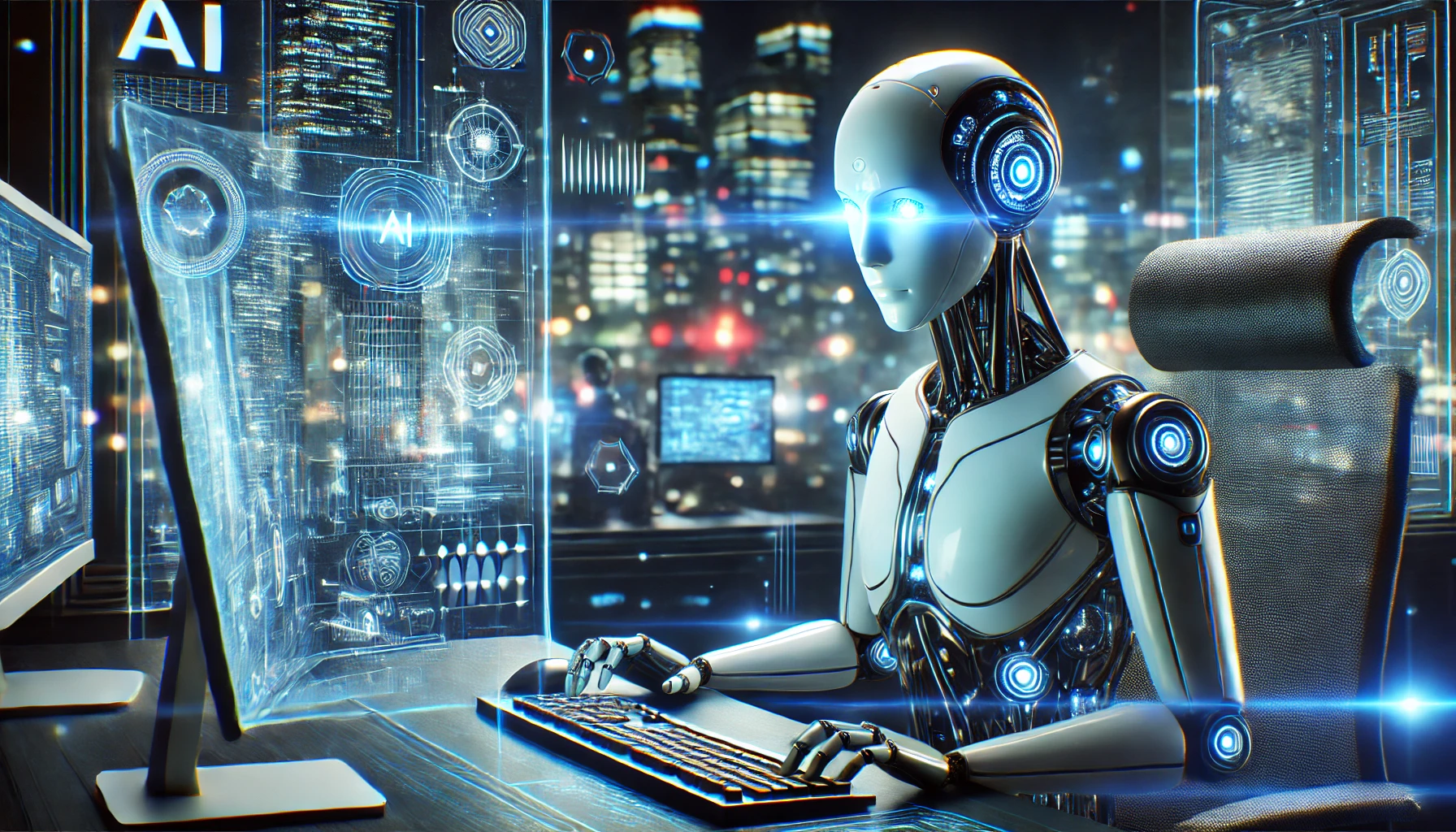
Introduction
Artificial intelligence (AI) is reshaping industries worldwide, automating processes, improving efficiency, and changing how businesses operate. In procurement and purchasing, AI is being increasingly used for supplier selection, cost analysis, and contract management, raising an important question—will AI replace purchase managers?
While AI brings undeniable advantages, purchasing is not just about data and automation. Human judgment, relationship management, and strategic decision-making play a crucial role in procurement. This blog explores how AI is transforming purchasing, its limitations, and why human expertise will always remain valuable.
Understanding the Role of a Purchase Manager
A purchase manager is responsible for ensuring a business gets the right products and services at the best price. Their role includes:
✔ Supplier Selection & Negotiation – Evaluating suppliers, negotiating contracts, and ensuring cost savings. ✔ Relationship Management – Building long-term supplier partnerships. ✔ Risk Assessment – Identifying potential supply chain disruptions. ✔ Compliance & Quality Control – Ensuring suppliers meet regulatory and quality standards.
While AI can automate many aspects of purchasing, some critical tasks require human intelligence, especially when dealing with complex negotiations, ethical concerns, and unforeseen market changes.
How AI is Changing Purchasing & Procurement
AI is already transforming how businesses find, evaluate, and work with suppliers. Some key ways AI is being used in purchasing include:
1. Automating Repetitive Tasks
AI can handle data entry, invoice processing, and purchase order tracking, freeing up managers to focus on strategic decisions.
2. AI-Driven Supplier Matching
Platforms like Sourcik use AI to analyze supplier performance, pricing trends, and business needs to suggest the best supplier matches automatically.
3. Predictive Analytics for Demand Forecasting
AI uses historical data to predict demand trends, helping businesses plan purchases more accurately, reducing costs and waste.
4. AI-Powered Risk Management
AI can analyze supplier financial health, geopolitical risks, and market trends to warn purchase managers about potential disruptions.
5. Intelligent Contract Management
AI can review contracts, highlight risks, and suggest improvements, reducing legal complications and saving time.
AI is not just automating tasks—it is enhancing decision-making with powerful insights. However, it is far from being a complete replacement for human expertise.
AI vs. Human Decision-Making in Purchasing
AspectAI StrengthsHuman StrengthsSpeed & EfficiencyProcesses large data sets instantlyCan assess situations with intuition and experienceCost OptimizationFinds cost-effective solutions using dataNegotiates beyond just price (quality, service, relationship)Risk AssessmentPredicts risks based on past dataAdapts to sudden disruptions and market changesRelationship ManagementAutomates communicationBuilds trust and long-term partnershipsDecision-MakingAnalyzes trends and patternsUnderstands emotions, ethics, and business cultureAI enhances decision-making but lacks emotional intelligence, flexibility, and negotiation skills—key aspects of a purchase manager’s job.
Limitations of AI in Purchasing
Despite its advantages, AI has several limitations:
1. Lack of Emotional Intelligence & Relationship Building
Strong supplier relationships are built on trust, communication, and negotiation—something AI cannot replicate.
2. Data Accuracy Issues
AI is only as good as the data it processes. If the data is inaccurate or outdated, AI can make poor recommendations.
3. Ethical & Compliance Challenges
AI cannot fully understand legal, ethical, and cultural considerations, which are essential in purchasing and supplier selection.
4. Inability to Handle Unexpected Situations
AI works well when patterns are clear, but human expertise is needed when dealing with sudden supplier failures, market crashes, or global disruptions (e.g., pandemics).
AI is a powerful tool, but businesses still need human decision-makers to manage the complex, unpredictable nature of purchasing.
The Future: AI & Purchase Managers Working Together
AI is not here to replace purchase managers—it is here to help them work smarter. The future of purchasing lies in collaboration between AI and human expertise:
✅ AI handles data analysis, automation, and risk prediction ✅ Purchase managers focus on negotiation, strategy, and relationship management ✅ Together, they create an efficient and resilient purchasing system
To stay relevant in this AI-driven world, purchase managers should adapt, upskill, and learn to work alongside AI. Skills like strategic thinking, negotiation, and supplier relationship management will continue to be highly valuable.
Conclusion
AI is transforming how businesses select suppliers, manage risks, and optimize costs, but it cannot replace purchase managers. Human intelligence, strategic thinking, and relationship management are essential in making the best purchasing decisions.
Instead of replacing jobs, AI is enhancing purchasing processes, helping managers work faster, reduce risks, and make better decisions. The best results will come from AI and purchase managers working together, blending technology with human expertise.
FAQs
1. What tasks can AI automate in purchasing?
AI can automate data entry, supplier matching, invoice processing, demand forecasting, and contract management, saving time and improving accuracy.
2. How can purchase managers use AI to their advantage?
Managers can use AI for insights, risk management, and automation, while focusing on strategic decisions, negotiation, and relationship management.
3. Are there industries where AI is more likely to replace purchase managers?
Industries with highly structured, data-driven purchasing processes (e.g., manufacturing, retail) may see more automation, but human input will still be needed.
4. What are the risks of relying solely on AI for purchasing?
AI can make errors if data is inaccurate, lacks emotional intelligence, and may miss ethical and cultural considerations in supplier relationships.
5. Will AI eliminate jobs in purchasing?
AI will change the role of purchase managers but not eliminate it. Businesses will always need human judgment, strategy, and negotiation skills.